
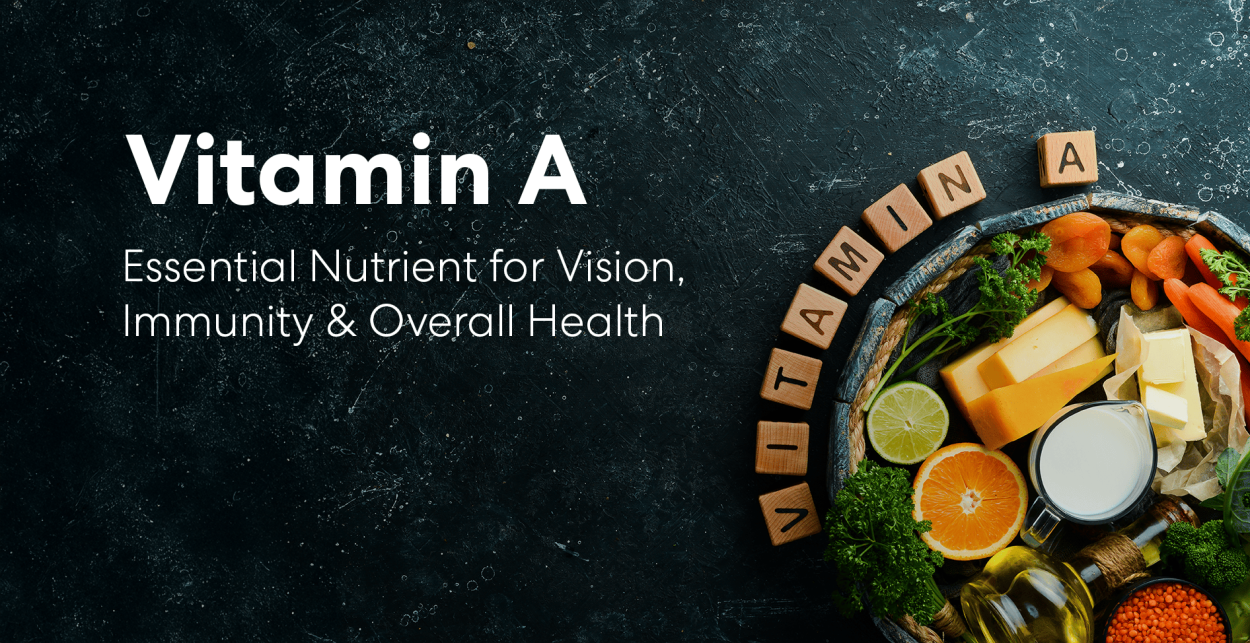
Vitamin A is one of the most essential fat-soluble vitamins your body needs and the good news is that the Indian diet is naturally packed with affordable sources of it. Whether you’re looking to protect your eyesight, boost your immunity or support your child’s growth, getting enough Vitamin A daily makes a measurable difference.
In this guide, we cover everything you need to know: what Vitamin A is, where to find it in Indian foods, how much you need, and how to spot early signs of deficiency.
What Is Vitamin A? (And Why Does It Matter)
Vitamin A is a fat-soluble nutrient that the body cannot produce on its own. it must come entirely from food. According to the NIH Office of Dietary Supplements, Vitamin A is critical for vision, immune function, reproduction and the proper functioning of the heart, lungs, and kidneys.
It exists in two primary forms:
- Retinol (Preformed Vitamin A): Found in animal-based foods; directly usable by the body
- Beta-Carotene (Provitamin A): Found in plant-based foods; the body converts it into Vitamin A as needed
Beta-carotene also functions as a powerful antioxidant, offering additional protection against chronic disease beyond its role as a Vitamin A precursor.
Best Vitamin A Rich Foods in Indi
India’s diverse food landscape provides exceptional access to both forms of Vitamin A. Here’s a complete breakdown:
Animal Sources (High in Retinol)
These are the most bioavailable sources – meaning your body absorbs and uses them most efficiently:
| Food | Why It’s Effective |
|---|---|
| Chicken / Mutton Liver | One of the highest known sources of retinol |
| Egg Yolk | Affordable, widely available, easy to include daily |
| Whole Milk, Ghee, Butter, Paneer | Everyday dairy staples with natural fat-soluble Vitamin A |
| Oily Fish | Provides retinol alongside Omega-3 fatty acids |
Plant Sources (High in Beta-Carotene)
Vegetables:
- Carrot – one of the richest plant sources; best consumed cooked with a fat
- Sweet Potato – high beta-carotene content, widely available across India
- Pumpkin – underrated but excellent source
- Spinach, Fenugreek Leaves (Methi), Amaranth Leaves (Rajgira) – accessible green leafy vegetables rich in beta-carotene
- Drumstick Leaves (Moringa) – particularly significant in South Indian diets; also rich in iron and calcium
- Colocasia Leaves (Arbi ke Patte) – traditional and highly nutritious
Fruits:
- Mango – India’s most beloved fruit is also a Vitamin A powerhouse (especially ripe Alphonso and Kesar varieties)
- Papaya – available year-round; excellent for daily intake
- Jackfruit – seasonal but nutrient-dense
- Apricot (Khubani) – common in North Indian and dry fruit preparations
- Muskmelon – light, hydrating, and rich in beta-carotene
Other Notable Sources:
- Red Palm Oil – exceptionally high in beta-carotene, used in Eastern and Southern India
- Fortified Foods – government-fortified milk and cereals help address widespread deficiency, particularly in children
6 Proven Health Benefits of Vitamin A
1. Protects and Supports Vision
Vitamin A is essential for producing rhodopsin, a pigment in the eyes that enables vision in low-light conditions. According to the Harvard T.H. Chan School of Public Health, even mild Vitamin A deficiency can lead to night blindness – one of the earliest and most common deficiency symptoms globally.
2. Strengthens the Immune System
Vitamin A plays a direct role in maintaining the integrity of mucosal barriers – the body’s first line of defence against pathogens. It supports white blood cell production, helping fight respiratory infections, diarrhoea, and gastrointestinal illnesses – conditions that are among the leading causes of child mortality in low-income settings, as noted by the WHO.
3. Promotes Healthy Skin
Retinol (the active form of Vitamin A) regulates skin cell turnover. It helps prevent dryness, reduces the risk of acne, and is the basis of prescription-grade retinoid treatments used in dermatology. Adequate dietary intake maintains skin elasticity and delays premature ageing.
4. Supports Growth and Development in Children
Vitamin A is critical for cell differentiation, bone development, and reproductive health. The ICMR (Indian Council of Medical Research) identifies Vitamin A deficiency as a significant contributor to stunted growth and increased infection risk in Indian children under five.
5. Maintains Gut Health and Nutrient Absorption
Vitamin A maintains the mucosal lining of the digestive tract, which is essential for healthy digestion and efficient nutrient absorption. A compromised gut lining – often linked to deficiency – can reduce the body’s ability to absorb other key nutrients, compounding nutritional deficiencies.
6. Antioxidant Protection Against Chronic Disease
Beta-carotene is a potent antioxidant that neutralises free radicals – unstable molecules that damage cells and contribute to cancer, cardiovascular disease, and accelerated ageing. Regular consumption of beta-carotene-rich foods is associated with reduced chronic disease risk in long-term population studies.
Vitamin A Daily Requirements (RDA)
Based on guidelines from the NIH Office of Dietary Supplements:
| Group | Daily Requirement |
|---|---|
| Adult Men | 900 mcg RAE/day |
| Adult Women | 700 mcg RAE/day |
| Pregnant Women | 770 mcg RAE/day |
| Breastfeeding Women | 1,300 mcg RAE/day |
| Children (1–8 years) | 300–400 mcg RAE/day |
RAE = Retinol Activity Equivalents — the standard unit accounting for both retinol and beta-carotene
5 Practical Tips to Maximise Vitamin A Absorption
- Always pair with healthy fats : Vitamin A is fat-soluble, meaning it absorbs far better when eaten with ghee, oil, or nuts. Add a teaspoon of ghee to your dal, cooked carrots, or leafy vegetables
- Eat the rainbow daily : Aim for at least one orange/yellow vegetable and one dark green leafy vegetable per day
- Don’t overcook vegetables : Light steaming or sautéing preserves beta-carotene; prolonged boiling degrades it significantly
- Prioritise seasonal fruits : Fresh mango in summer and papaya year-round are the easiest, most cost-effective ways to maintain intake
- Use fortified staples : If your diet is predominantly plant-based, choose FSSAI-certified fortified milk and cereals to bridge potential gaps
Key Takeaways
- Vitamin A exists as retinol (animal sources) and beta-carotene (plant sources)
- The richest Indian sources include liver, egg yolk, ghee, carrots, sweet potato, moringa, mango, and papaya
- It is essential for vision, immunity, skin health, gut integrity, and child development
- Adult men need 900 mcg/day; adult women need 700 mcg/day
- Always consume Vitamin A-rich foods with a source of fat for optimal absorption
- Early deficiency signs include night blindness, dry eyes, frequent infections, and poor growth in children
Signs You May Be Vitamin A Deficient
Watch for these early warning signs:
- Night blindness : difficulty seeing in dim light (earliest clinical sign)
- Dry, rough skin and hair : reduced skin cell turnover
- Dry eyes (Xerophthalmia) : in severe cases, can lead to corneal damage
- Frequent infections : weakened mucosal immunity
- Slow wound healing
- Poor growth in children : delayed physical development
If you notice multiple symptoms, consult a healthcare professional before self-supplementing. Vitamin A toxicity from excess supplementation is a real risk – upper limit for adults is 3,000 mcg/day from retinol sources.
FAQs around Vitamin A rich foods in India
Q: Which is the single best Vitamin A food available in India?
A: Chicken or mutton liver is the most concentrated source of retinol (preformed Vitamin A) available. For plant-based diets, drumstick leaves (moringa) and carrots are among the most accessible and nutrient-dense options.
Q: Can I get enough Vitamin A from a vegetarian Indian diet?
A: Yes. A diet rich in dark green leafy vegetables (spinach, methi, moringa), orange vegetables (carrot, sweet potato, pumpkin), and fruits (mango, papaya) can meet daily requirements – especially when consumed with fats like ghee or oil to aid absorption.
Q: What is the difference between retinol and beta-carotene?
A: Retinol is the preformed, directly usable form of Vitamin A found in animal foods. Beta-carotene is a plant pigment the body converts into Vitamin A. Retinol is more bioavailable, but beta-carotene from food is safer as excess beta-carotene is not converted beyond what the body needs.
Q: Is it possible to get too much Vitamin A?
A: Yes, but only from retinol supplements or very high consumption of animal liver. Beta-carotene from fruits and vegetables does not cause toxicity. The safe upper limit for retinol is 3,000 mcg/day for adults.
Q: Why do children in India commonly have Vitamin A deficiency?
A: According to the ICMR and WHO, Vitamin A deficiency in Indian children is linked to low dietary diversity, over-reliance on cereal-based diets, and poor fat intake – which reduces absorption. The Government of India’s Vitamin A supplementation programme targets children aged 6 months to 5 years to address this.
Q: Does cooking destroy Vitamin A in vegetables?
A: Moderate cooking actually increases the bioavailability of beta-carotene by breaking down plant cell walls. However, prolonged boiling and discarding cooking water can cause losses. Light sautéing in oil or ghee is the most effective cooking method for maximising Vitamin A absorption.
References: Harvard T.H. Chan School of Public Health – The Nutrition Source; NIH Office of Dietary Supplements – Vitamin A Fact Sheet; WHO Vitamin A Supplementation Guidelines; ICMR Dietary Guidelines for Indians.