
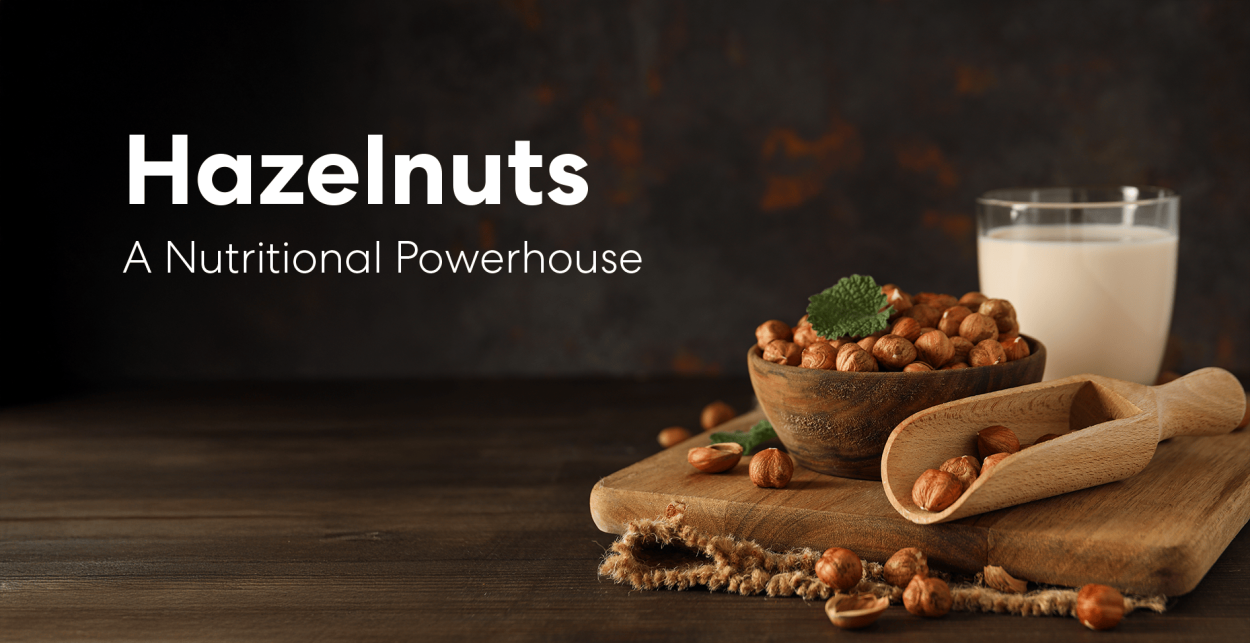
Hazelnuts are more than just a flavorful addition to desserts and spreads they are a scientifically backed functional food with significant health benefits. Rich in heart-healthy fats, antioxidants, vitamins, minerals, and plant bioactives, hazelnuts have gained attention in clinical nutrition research for their positive effects on blood lipids, cardiovascular health, and metabolic wellness.
Recent systematic reviews and meta-analyses provide compelling evidence supporting the inclusion of hazelnuts in a balanced diet.
Heart Health and Lipid Improvement
One of the most well-documented benefits of hazelnuts is their role in improving blood lipid profiles.
A systematic review and Bayesian meta-analysis by Perna et al. demonstrated that hazelnut consumption significantly improves total cholesterol and LDL-cholesterol levels without contributing to weight gain.
Hazelnuts are naturally high in:
- Monounsaturated fatty acids (MUFA) – like those found in olive oil
- Phytosterols – known to reduce intestinal cholesterol absorption
- Vitamin E – a potent antioxidant protecting LDL from oxidation
Regular intake has been associated with:
- Reduction in LDL cholesterol
- Maintenance or increase in HDL cholesterol
- Improved overall lipid ratios
These findings support hazelnuts as a cardioprotective food that can be safely incorporated into lipid-lowering dietary strategies.
Weight Management Without Weight Gain
Despite being energy-dense, hazelnuts do not promote weight gain when consumed in moderation.
Clinical trials summarized in the meta-analysis showed no significant increase in body weight or BMI among participants consuming hazelnuts regularly.
Possible mechanisms include:
- Increased satiety due to fiber and protein content
- Incomplete fat absorption from whole nuts
- Improved metabolic efficiency
This makes hazelnuts suitable even in structured weight management programs.
Antioxidant and Anti-Inflammatory Effects
Hazelnuts are abundant in:
- Vitamin E
- Polyphenols
- Flavonoids
- Selenium
These compounds help combat oxidative stress, which is linked to chronic diseases such as cardiovascular disease, diabetes, and aging-related disorders.
A recent review highlights hazelnuts as a “nutritional powerhouse” due to their strong antioxidant profile and anti-inflammatory potential.
By reducing oxidative damage and supporting endothelial function, hazelnuts contribute to long-term cardiovascular protection.
Metabolic and Glycemic Benefits around Health benefits of hazelnuts
Hazelnuts have a low glycemic index and are rich in healthy fats and fiber, which:
- Slow gastric emptying
- Improve postprandial glucose response
- Enhance insulin sensitivity
These characteristics make them a valuable snack option for individuals managing diabetes or metabolic syndrome.
Nutrient Density in a Small Serving
A 30 g serving (approximately a small handful) of hazelnuts provides:
- ~180–200 kcal
- 4–5 g protein
- 12–13 g MUFA
- 3 g fiber
- High levels of vitamin E (around 20–25% of daily requirement)
- Magnesium, copper, and manganese
This nutrient density makes hazelnuts an efficient way to enhance dietary quality.
Ways to Include Hazelnuts in your diet
- Add chopped hazelnuts to salads for crunch and healthy fats.
- Blend into smoothies for nutrient enrichment.
- Use hazelnut paste as a spread without added sugars.
- Incorporate into oatmeal or yogurt bowls.
- Add roasted hazelnuts to vegetable stir-fries.
Recommended intake: 20–30 g per day as part of a balanced diet.
Clinical Perspective
From a clinical nutrition standpoint, hazelnuts can be recommended for:
- Dyslipidemia management
- Cardiovascular risk reduction
- Weight management programs
- Antioxidant support
- Metabolic health improvement
Their safety profile and lack of association with weight gain make them particularly practical in real-world dietary counselling.
Conclusion around health benefits of Hazelnuts
Hazelnuts are more than just a nutritious snack. they are a scientifically supported functional food that contributes to better heart health, improved lipid profiles, antioxidant protection and overall metabolic balance. Their rich composition of monounsaturated fats, vitamin E, fiber and plant bioactives makes them a valuable addition to a heart-healthy diet. Importantly, clinical evidence shows that regular consumption in moderate amounts does not promote weight gain, making hazelnuts a practical and sustainable dietary choice.
Including a small daily portion of hazelnuts, about 20-30 grams can be a simple yet effective way to improve nutritional quality and support long-term wellness. However, optimal health outcomes come not only from good nutrition but also from consistent medical guidance, preventive care and access to trusted healthcare services.
At Even Healthcare, the focus is on preventive care, personalized health guidance and evidence-based medical support that helps individuals make informed lifestyle and nutrition choices. Through Even Hospitals, patients can also access comprehensive clinical care, diagnostics and specialist consultations designed to support cardiovascular health, metabolic wellness, and overall preventive healthcare.
By combining healthy dietary practices such as incorporating nutrient-dense foods like hazelnuts with regular medical guidance and preventive health services, individuals can take meaningful steps toward long-term health, disease prevention and improved quality of life.
References
- Perna S, Giacosa A, Bonitta G, et al. Effects of hazelnut consumption on blood lipids and body weight: A systematic review and Bayesian meta-analysis. Nutrients. 2016;8(12):747. doi:10.3390/nu8120747
- Hazelnut: A Nutritional Powerhouse with Numerous Health Benefits. ResearchGate. Available at: