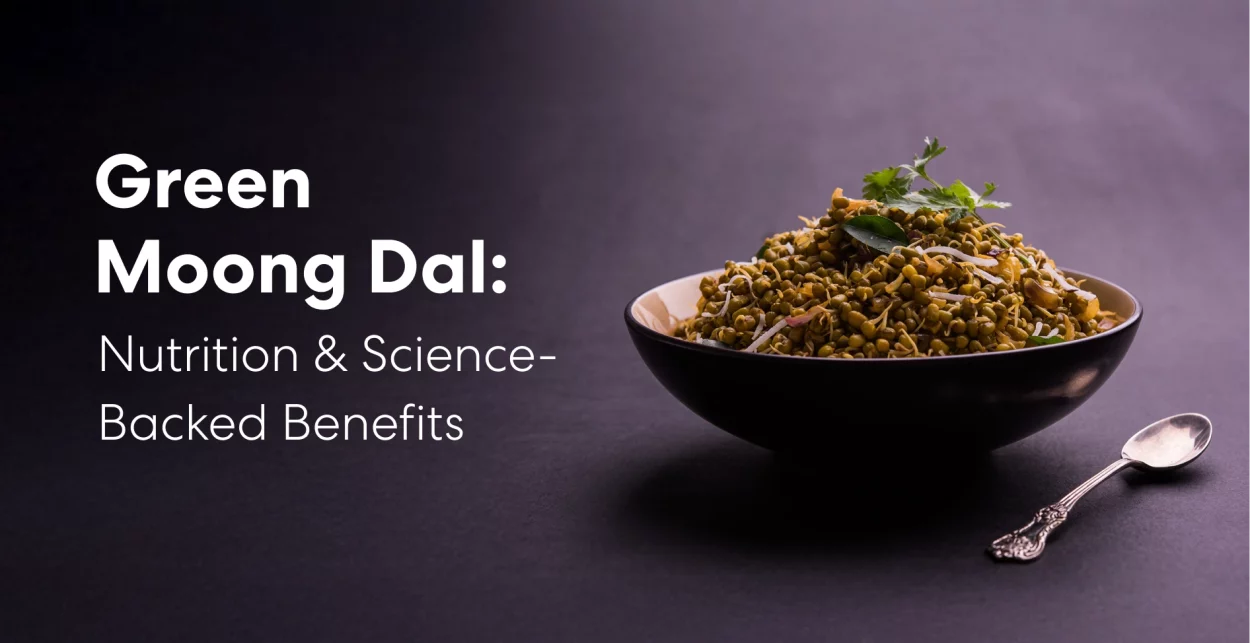
Green moong dal (Vigna radiata) is a widely consumed pulse across Asian countries and is increasingly recognized as a functional food due to its exceptional nutritional composition and bioactive compounds. Scientific literature strongly supports its role in improving metabolic, cardiovascular, digestive and antioxidant health. This review summarises key findings from recent peer-reviewed studies.
Nutritional Profile & Bioactive Compounds
Green moong dal is nutrient-dense and provides high-quality plant protein, complex carbohydrates, vitamins, minerals and beneficial phytochemicals. According to Swamy (2023), mung bean contains approximately 22 g of protein and 60 g of carbohydrates per 100 g of dry weight. Hou et al. (2019) report that it is rich in polyphenols such as vitexin and isovitexin, along with bioactive peptides and polysaccharides, which contribute significantly to antioxidant and anti-inflammatory benefits. Recent biochemical evaluation by Rathore et al. (2023) demonstrated that green moong beans also contain high levels of essential amino acids, particularly histidine (6.40–8.81%) and phenylalanine (9.73–13.86%), strengthening its potential for nutraceutical and therapeutic food development.
Key Health Benefits around Health benefits of green moong dal
Supports Blood Sugar Control
Green moong dal supports glycemic control because of its high fibre and protein content and low glycaemic index carbohydrates. Hou et al. (2019) found that mung bean extracts can inhibit carbohydrate-digesting enzymes and improve lipid metabolism, helping improve insulin sensitivity and stabilize blood glucose responses. Therefore, replacing refined starches with green moong dal may reduce post-meal blood sugar spikes and support diabetes management.
Improves Heart & Cholesterol Health
The cardiovascular benefits of moong dal are mainly associated with its antioxidant and lipid-regulating capacity. Hou et al. (2019) showed that mung bean compounds significantly reduce cholesterol, triglycerides and inflammation-related gene expression, which can lower the risk of hypertension and hyperlipidemia. Similarly, Rathore et al. (2023) reported that the amino acid and antioxidant profile helps reduce oxidative stress, supporting cardiovascular disease prevention.
Antioxidant & Anti-Inflammatory Protection
Polyphenols and peptides in green moong dal help neutralize free radicals and reduce inflammation. Hou et al. (2019) demonstrated that mung bean extracts decrease inflammatory cytokines and protect cells from oxidative damage. Rathore et al. (2023) also emphasized that moong dal may help protect against DNA damage and cellular mutation, potentially reducing cancer risk.
Digestive Support & Gut Health
Green moong dal is easier to digest compared to other legumes. Rathore et al. (2023) highlight that traditional preparation methods such as soaking, sprouting and fermentation improve digestibility and reduce antinutritional factors like phytic acid, which can otherwise cause gas and bloating. Its fibre also supports gut microbiota balance and can help relieve constipation, making it suitable for both children and older adults.
High-Quality Plant Protein Source
Green moong dal offers an excellent protein source for vegetarians, athletes and individuals seeking plant-based nutrition. Hou et al. (2019) found that its peptides show strong physiological activity and can support muscle repair, immune function and metabolic health. Swamy (2023) also notes that mung bean’s balanced protein composition contributes to crop improvement and nutritional enhancement in food systems.
How to Include Green Moong Dal in Your Diet
Green moong dal can be included in the diet in various forms such as dal, soups, khichdi, salads, cheela/pancakes and sprouts. Soaked or sprouted beans (6–8 hours) enhance bioavailability of nutrients and reduce antinutrients (Rathore et al. 2023). Using whole bean (with skin) increases polyphenol intake. Combining green moong dal with whole grains like brown rice or millet improves amino acid balance. For sensitive digestion, a de-husked version cooked until soft is recommended. Food product innovations such as sprouted moong flour or protein-rich snacks allow easy incorporation into daily meals.
Conclusion around Health benefits of green moong dal
Green moong dal is a nutrient-dense superfood that provides high-quality protein, dietary fiber, essential vitamins, minerals, and powerful antioxidants that support better digestion, blood sugar control, heart health, muscle recovery, weight management, and a stronger immune system. Its regular inclusion in daily meals can significantly enhance overall wellness and help prevent lifestyle-related conditions.
Even Hospital and its Clinical Nutrition Department can play a vital role in helping individuals focus on these scientifically supported health benefits of green moong dal. Through personalized nutrition counselling, medically supervised diet plans, and continuous progress monitoring, the dietitians at Even Hospital guide patients on how to incorporate …
References
- Hou D, Yousaf L, Xue Y, Hu J, Wu J, Hu X, Feng N, Shen Q (2019). Mung Bean (Vigna radiata L.): Bioactive Polyphenols, Polysaccharides, Peptides, and Health Benefits. Nutrients 11(6):1238. doi:10.3390/nu11061238
- Rathore M, Prakash HG, Singh DP, Khan K (2023). Biochemical Evaluation of Moong Bean Characteristics for Nutraceutical Applications. Indian Journal of Agricultural Research 57(4):431-434. doi:10.18805/IJARe.A-5677
- Swamy KRM (2023). Genetic Diversity and Breeding of Mung Bean (Vigna radiata). International Journal of Current Research