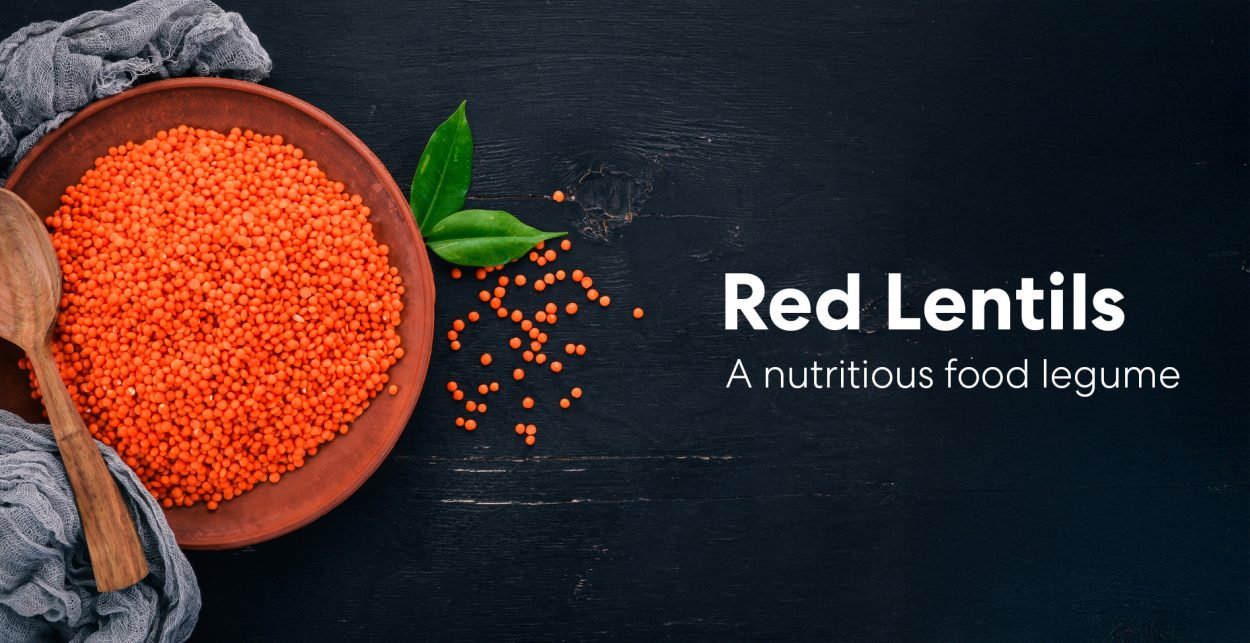
Red lentils (masoor dal) are one of the most nutritious everyday foods in the Indian kitchen. They are rich in plant protein and fibre, cook in minutes without soaking, and support heart health, blood sugar control, digestion and even skin health. This guide covers their nutrition, the main health benefits of red lentils, how to use them, and who should be cautious.
Last updated: 16 June 2026.
Key takeaways
- Red lentils are a high-protein, high-fibre pulse – about 9 g protein and 8 g fibre per 100 g cooked.
- They have a low glycaemic index, so they help steady blood sugar – useful in diabetes-friendly diets.
- The fibre and potassium support heart health and healthy cholesterol levels.
- They cook in 10-15 minutes with no soaking, making them one of the easiest pulses to use daily.
- Antioxidants (polyphenols) may help protect skin from premature ageing.
Red lentils nutrition (per 100 g cooked)
| Nutrient | Amount | Why it matters |
|---|---|---|
| Calories | ~116 kcal | Filling but light |
| Protein | ~9 g | Plant protein for muscle and repair |
| Fibre | ~8 g | Digestion, fullness, blood sugar |
| Carbohydrates | ~20 g | Slow-release energy |
| Fat | ~0.4 g | Naturally low in fat |
| Iron, folate, potassium | Good source | Energy, pregnancy health, blood pressure |
Values are approximate and based on USDA data; exact figures vary by variety and cooking method.
Health benefits of red lentils
1. Excellent source of plant protein
Red lentils deliver roughly 9 g of protein per 100 g cooked, making them a budget-friendly protein for vegetarians and vegans. Pair them with rice or roti to form a complete protein. For another high-protein pulse, see green moong dal.
2. High in dietary fibre
The fibre in masoor dal supports regular digestion, feeds healthy gut bacteria and helps you feel full for longer – useful for weight management.
3. Helps control blood sugar
With a low glycaemic index and slow-digesting carbs, red lentils release energy gradually and help avoid blood-sugar spikes. That makes them a smart staple in a diabetes-friendly diet.
4. Supports heart health
Soluble fibre helps lower LDL cholesterol, while potassium and magnesium support healthy blood pressure. Their near-zero fat content makes them heart-friendly.
5. Rich in antioxidants and minerals
Red lentils provide iron (energy and against anaemia), folate (important in pregnancy) and polyphenol antioxidants that help fight cell-damaging free radicals.
Red lentils for skin
The polyphenols in red lentils act as antioxidants that may help protect skin from premature ageing caused by free radicals. Masoor dal is also a traditional gentle exfoliant: a paste of ground red lentils with milk or curd can be used as a mild face scrub to remove dead skin. Always patch-test first.
How to use red lentils
- Rinse well; no soaking needed. Simmer 10-15 minutes until soft for dal.
- Use in soups, stews, khichdi or as a base for veggie patties.
- Pair with whole grains (rice, roti) for complete protein.
- Add vegetables like ridge gourd to boost fibre and nutrients.
Side effects and who should be careful
Red lentils are safe for most people, but a few points help: ramp up fibre gradually to avoid gas or bloating; they contain purines, so people with gout should moderate intake; and those with kidney disease may need to watch protein and potassium. If in doubt, check with your doctor.
Frequently Asked Questions
Yes. Red lentils (masoor dal) are high in plant protein and fibre, low in fat, and provide iron, folate and antioxidants that support heart health, digestion and blood sugar control.
About 9 g of protein per 100 g cooked, making them an affordable protein source for vegetarians and vegans.
Yes. They have a low glycaemic index and slow-digesting carbs, so they help avoid blood-sugar spikes and fit well in a diabetes-friendly diet.
No. Red lentils cook quickly without soaking – just rinse and simmer for about 10 to 15 minutes.
Their polyphenol antioxidants may help protect skin from premature ageing, and a ground red lentil paste is a traditional gentle exfoliant. Patch-test first.
They can cause gas or bloating if you increase fibre too quickly. Introduce them gradually and drink enough water to reduce discomfort.
Both are excellent. Red lentils cook faster and are slightly higher in iron; moong dal is very light and easy to digest. Variety is best.
The bottom line
Red lentils (masoor dal) are an easy, affordable way to add protein, fibre and minerals to everyday meals while supporting heart health, blood sugar and digestion. Explore more everyday nutrition in our Health section.
Eating well is one part of staying healthy; covering doctor visits, tests and treatment is another. See health insurance with OPD cover, and in-person care at Even Hospital in Bangalore when you need it.
Related reading
- Green moong dal: protein and blood sugar
- Ridge gourd (turai): benefits and nutrition
- Diabetes: types, symptoms and management
- Oats: benefits, side effects and how to use
- More from the Even Health blog
References
- USDA FoodData Central – lentils, cooked, nutrient values.
- Harvard T.H. Chan School of Public Health – legumes and pulses.
- Indian Council of Medical Research (ICMR-NIN) – dietary guidelines for Indians.