Yes – the food you eat directly affects how well you sleep. Heavy, spicy or sugary meals late at night, along with caffeine and alcohol, disrupt deep sleep and make…

Secondary Trauma: Signs, Causes & How to Cope
Secondary trauma (also called vicarious trauma or secondary traumatic stress) is the emotional toll of being repeatedly exposed to other people’s trauma – through their stories, images or distressing content….
Travel Health Checklist: What to Pack & Prepare
A little health prep makes travel far smoother. The essentials: see a doctor and get any vaccines 4-6 weeks before you fly, pack a medical kit with your prescriptions (in…
On Doctors Day, Keep Google Away: Understanding IDIOT syndrome
National Doctors Day, celebrated annually on July 1, serves as a poignant reminder of the indispensable role that doctors and healthcare professionals play in our lives. This year’s theme, ‘Healing…
Cough, Cold and Fever: When to Worry and See a Doctor
Cough, cold and fever are usually mild and clear up on their own – but a few warning signs mean you should see a doctor. This guide explains what is…
Contraceptive Pills: Types, Effectiveness & Side Effects
Not all contraceptive pills are the same. There are two main types: combined pills (estrogen + progestin) and progestin-only pills (the “mini-pill”). With perfect use, the pill is over 99%…
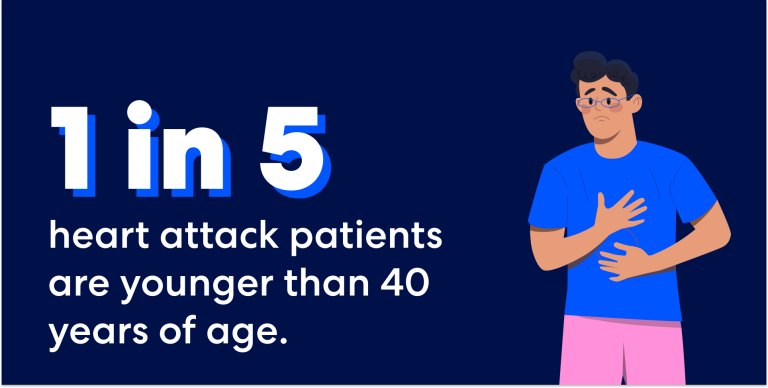
Why Indians Get Heart Attacks Earlier
Why India’s younger and overall healthier generations are becoming so vulnerable to heart attacks?
Diabetes: Types, Symptoms, Causes & Management
Diabetes is a long-term condition where blood sugar (glucose) stays too high because the body either does not make enough insulin or cannot use it well. The main types of…
PCOS: Navigating a Diagnosis with Attitude
Polycystic ovary syndrome (PCOS) is a common condition that affects women’s reproductive health. According to a recent study, PCOS is the most diagnosed female endocrine disorder and the pre-eminent cause…
ADHD in Adults: Symptoms, Diagnosis & Treatment
ADHD (attention-deficit/hyperactivity disorder) in adults is a neurodevelopmental condition marked by ongoing inattention, impulsivity and sometimes restlessness that interferes with work, relationships and daily life. It often goes undiagnosed until…